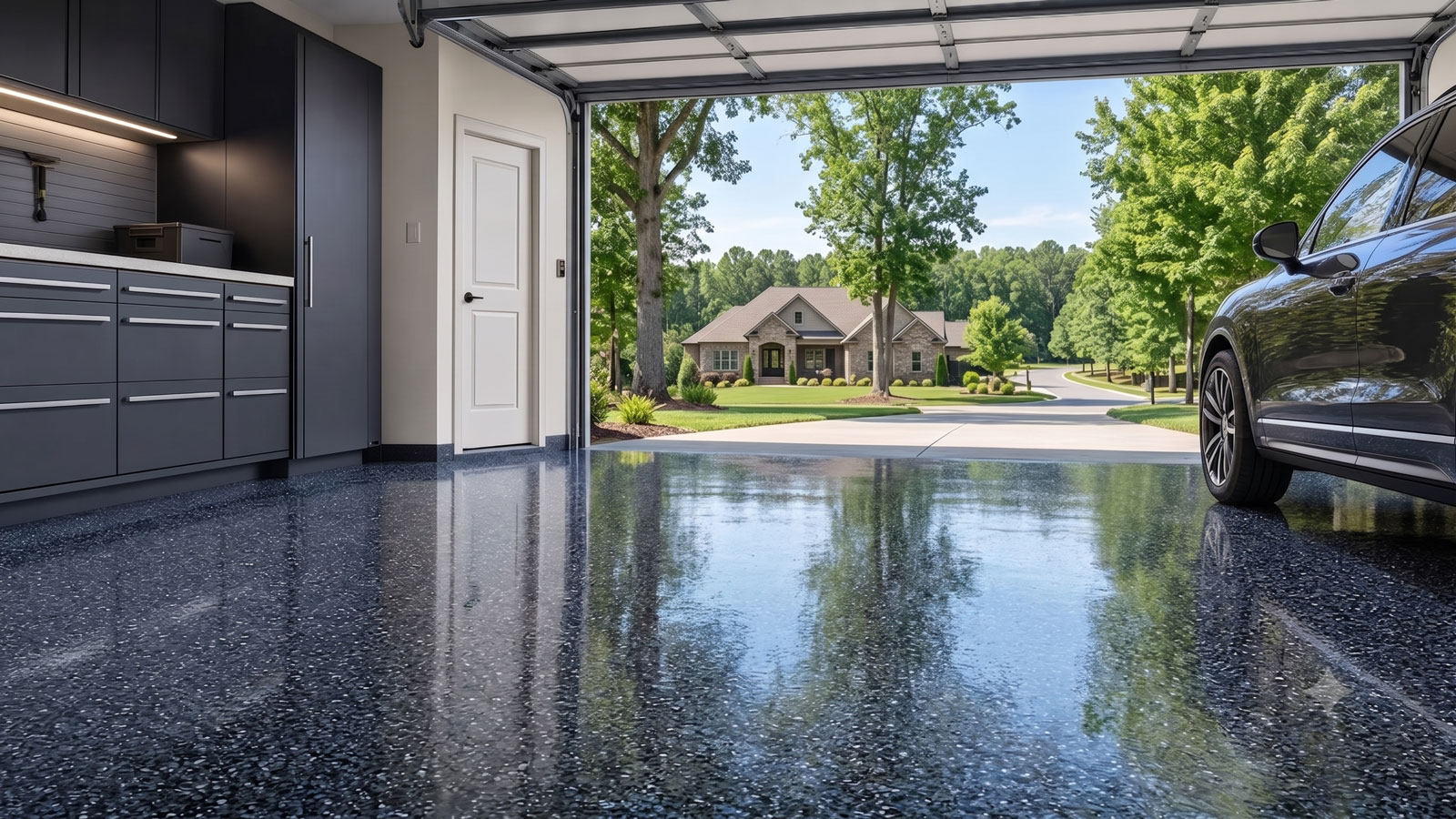
Garage Floor Coating in Liberty Lake, WA
Floor Coating Services in Liberty Lake, WA
A garage-floor coating project in Liberty Lake calls for attention to actual concrete, access and winter driving. the city plows collector and arterial roads when snow reaches two inches. residential plowing generally starts at four inches. These records cannot diagnose private garage concrete, so check existing coatings and repairs.
major roads are prioritized before neighborhood streets. cul-de-sac snow may be stored in a central pile. Spokane-area winter travel can leave snowmelt, grit and deicing residue near vehicle tracks, but municipal snow operations vary by jurisdiction. Water tracked in by a car differs from rain crossing the garage-door threshold or moisture that remains on an empty floor. Evaluate each condition separately.
the city maintains a local stormwater master plan. The written estimate should describe removal of existing finishes, mechanical grinding, patch and joint treatment, texture for wet shoes and a cure schedule. Epoxy and polyaspartic options can both serve a garage when properly installed; neither replaces drainage correction or structural assessment. For Liberty Lake households, plan vehicle parking and storage relocation before work starts.
Local Market Insight
the city plows collector and arterial roads when snow reaches two inches. cul-de-sac snow may be stored in a central pile. These independently documented facts help distinguish local road and runoff responsibilities, but they do not establish the condition of any private slab. Inspect observed moisture and earlier coatings before choosing a system.
What Affects the Cost of Garage Floor Coating in Liberty Lake?
In Liberty Lake, the real cost of a coating depends on floor preparation as much as square footage. residential plowing generally starts at four inches. That documented public context should guide questions, not cause an automatic moisture charge.
Ask for grinding, concrete repairs, old-coating removal, steps and perimeter access, finish texture and reopening time on the estimate. Garage storage and winter parking arrangements can change labor and scheduling.
- Previous finishes: Inspect a Liberty Lake floor for bare concrete, paint, old resin and concrete sealer. The house's age is not proof of the floor's history, especially if a garage was added or repoured.
- Public drainage boundaries: the city plows collector and arterial roads when snow reaches two inches. This describes streets or public runoff; actual private garage moisture and doorway grading still require on-site evaluation.
- Snow and road residue: cul-de-sac snow may be stored in a central pile. Inspect actual tracked-in grit and salty meltwater. A coated surface may simplify cleanup but will not stop snow arriving on vehicles.
- Concrete cracks and patches: Identify weak repair areas, pits, control joints and movement before pricing. Cosmetic filling cannot stop active structural change under an epoxy or polyaspartic layer.
- Edge detail and access: Shelves, steps, floor drains and storage change grinding access beyond open square footage. Agree on moving stored items and protecting nearby finishes.
- System finish and curing: Compare complete material layers, flake texture, traction, cleaning and the manufacturer's return-to-traffic interval. Cold weather or limited parking may affect the project schedule.
For the fastest response, please call for a clear, project-specific estimate—or request one online.
Liberty Lake Public Works and Winter Garage Conditions
the city plows collector and arterial roads when snow reaches two inches. residential plowing generally starts at four inches. Those local governmental responsibilities explain how public roads and drainage are addressed, but they do not certify that a residential slab is dry. The practical garage question is where water actually arrives and whether floor paint, sealer or weak concrete remains beneath a prospective coating.
major roads are prioritized before neighborhood streets. That quantitative or jurisdictional distinction separates Liberty Lake from the surrounding Spokane service area. During winter, drivers can carry roadway grit, slush and deicers into garages. A homeowner should note whether puddles follow parking, whether rainwater enters at the doorway or whether unexplained dampness persists with no vehicle present.
cul-de-sac snow may be stored in a central pile. Snow routes and street treatments may influence temporary parking and routine cleanup, but they should not be used to diagnose damage. A contractor should inspect the floor, doorway seal and driveway apron and explain whether cleaning, moisture assessment or outside drainage work is actually appropriate.
Before coating, remove incompatible old finishes and contaminants, grind to the specified profile and evaluate cracks and patches. A system applied to a weak or contaminated slab can fail regardless of resin chemistry; a decorative topcoat is not a structural or waterproofing fix.
Planning a Liberty Lake Concrete-Coating Installation
the city maintains a local stormwater master plan. This additional local record may affect road use, but homeowners should examine their own property rather than assume every neighborhood shares the same conditions. A garage may contain several eras of concrete, later patches or dense curing compounds, and those facts must be identified before quoting a coating.
For a household using the garage for vehicles and storage, plan where belongings will go while the crew profiles the perimeter and repairs the floor. Ask for specific treatment of steps, drains, door edges and workbench areas. An estimate should separate required repairs from optional flake color, texture and sheen choices.
Compare epoxy and polyaspartic as full systems with application temperature limits, UV considerations, slip resistance, cleaning instructions and stated curing time. Winter vehicle grit still needs removal even after coating. The best bid links actual concrete condition to preparation methods rather than promising uniform results throughout Liberty Lake.
- Identify paint, sealer or older epoxy.
- Inspect cracks, joints and repaired patches.
- Check actual water entry at the garage threshold.
- Separate winter vehicle puddles from slab moisture.
- Arrange temporary parking and storage clearance.
- Verify product layers, texture and cure instructions.
Frequently Asked Questions
How do Liberty Lake's local road conditions affect a garage floor?
cul-de-sac snow may be stored in a central pile. That informs winter driving and parking arrangements, but actual road grit and slab damage need inspection. Ask for preparation based on the individual floor rather than assumptions about local streets.
Will a Liberty Lake municipal drainage program keep my garage dry?
Not necessarily. the city plows collector and arterial roads when snow reaches two inches. Public drainage duties cannot guarantee a private door seal or driveway grade. Observe real water entry before choosing flooring or outside drainage corrections.
What if the garage has old paint or epoxy?
The installer should examine its adhesion and remove incompatible finishes before preparing concrete. Grinding, crack treatment and the selected system must suit the actual slab rather than conceal failures under fresh resin.
Is epoxy or polyaspartic better for Liberty Lake?
Neither automatically. Compare concrete profile, primer, coating layers, finish texture, application temperature and manufacturer-supported cure. The full installed system matters more than the name on the product.
What must a Liberty Lake coating proposal include?
Request an itemized plan for cleaning, grinding, repairs, edge detail, texture and vehicle-return time. Confirm how cars and stored equipment will be relocated while the floor is unavailable.